Bridging Classrooms and Wisdom Across Generations
Why Intergenerational Learning Changes Outcomes
Shared Expertise, Real-World Relevance
Students bring fresh methods, digital fluency, and curiosity, while older adults offer context, patience, and an archive of real experiences. When these strengths combine, lessons become relevant, measurable, and memorable. A coding exercise can preserve oral histories; a literature discussion grows into life advice. Relevance arises naturally because everyone is teaching, everyone is learning, and every voice matters.
Mutual Respect as a Learning Engine
Respect is not a decorative value; it is the engine that powers participation, risk-taking, and authentic dialogue. When a student confidently explains a tool, and a senior confidently shares a lesson from decades of practice, both identities expand. Confidence turns into competence, and competence turns into contribution. Trust enables feedback, experimentation, and joyful mistakes that reveal deeper understanding than perfect worksheets ever could.
Evidence from Programs That Work
Across districts and community centers, intergenerational programs show improved attendance, reading growth, and deeper engagement with civic issues. Seniors often report reduced isolation, greater purpose, and improved technology comfort. Teachers notice calmer classrooms and better collaboration. Even modest pilots demonstrate meaningful gains within months, especially when projects include reflection, celebration, and student-senior pairs who communicate consistently and support each other beyond formal sessions.
Designing the Partnership: Structure, Roles, and Safeguards
Co-Created Objectives and Timelines
Safeguarding Wellbeing and Dignity
Training Facilitators and Volunteers
Co-Teaching in Action: Lesson Formats That Thrive
{{SECTION_SUBTITLE}}
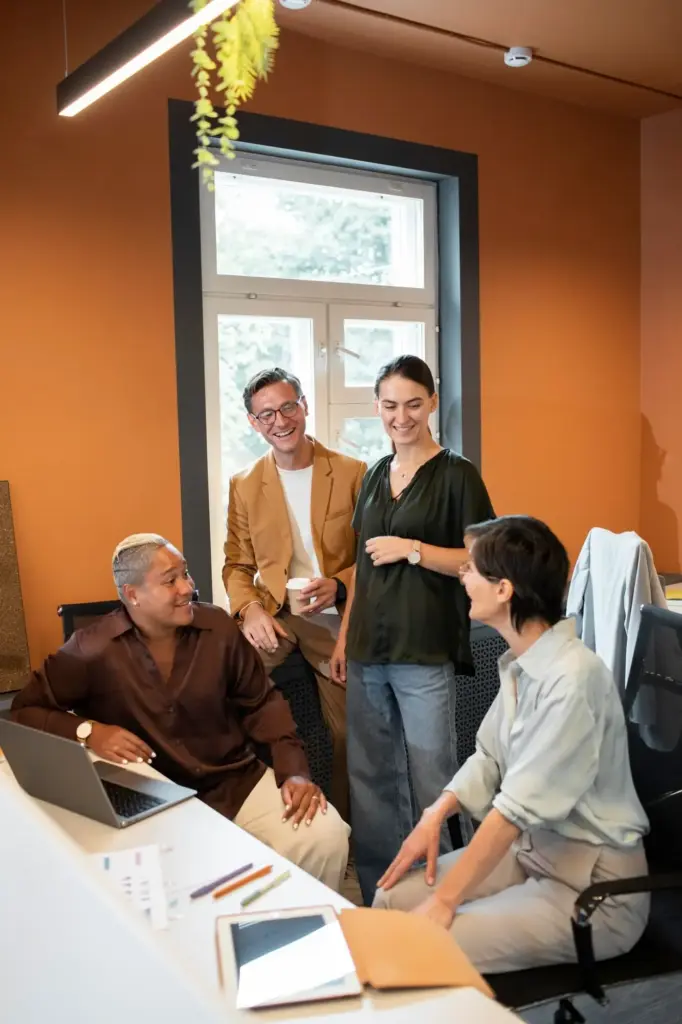
Story Labs and Oral History Studios

Skills Exchange Workshops

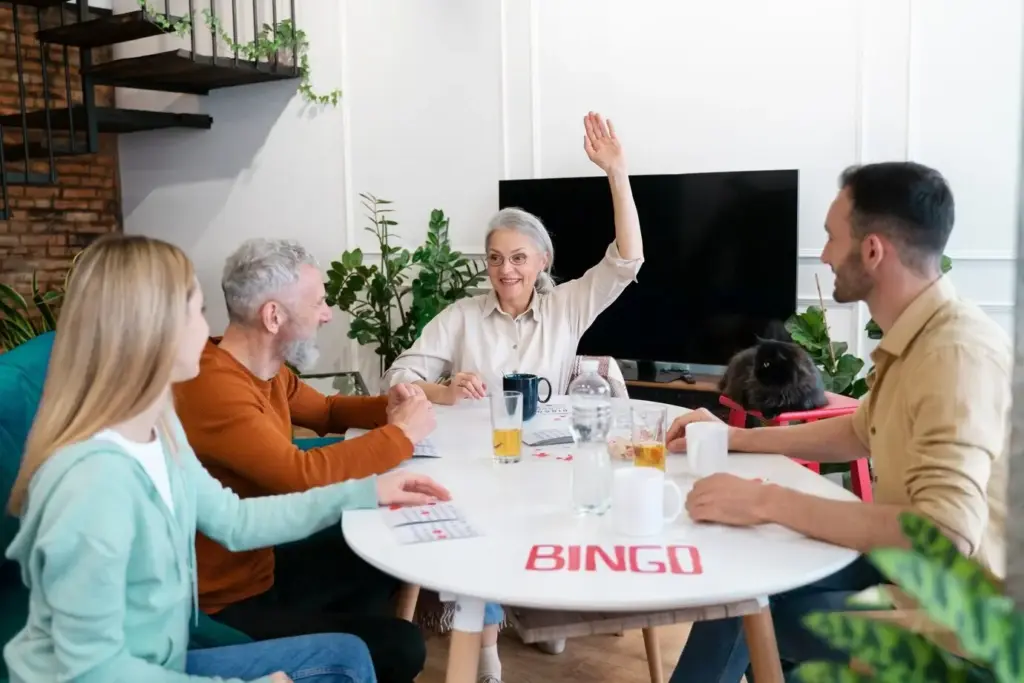
Technology as a Bridge, Not a Barrier
Measuring Impact That Matters
Sustaining Momentum: Funding, Policy, and Culture
Microgrants and Local Partnerships
Start with modest budgets covering transportation, materials, and snacks. Seek support from libraries, arts councils, health agencies, and neighborhood associations. Invite local businesses to sponsor showcases or donate devices. Publish a transparent cost summary and a gratitude wall. Small resources, wisely used, create reliability, reduce friction, and demonstrate stewardship—making it easier to renew funding, attract volunteers, and inspire additional partners to join with confidence and enthusiasm.
Policy Alignment and Administrative Buy-In
Map activities to standards for speaking, listening, research, and digital citizenship. Show how goals support social-emotional learning and community engagement plans. Share pilot results with administrators, emphasizing safety protocols and clear scheduling. Offer turnkey templates that reduce extra work. When leaders see alignment and minimal risk, approvals accelerate. Institutional backing unlocks buses, rooms, and time—essentials that keep partnerships running smoothly even during busy testing seasons.
Celebrations, Showcases, and Storytelling
Close each cycle with a public event featuring exhibits, short talks, and listening stations. Invite families, neighbors, and local media. Share portfolios online with accessible descriptions and captions. Encourage participants to narrate growth, surprises, and future goals. Ask attendees to leave notes of encouragement and invitations for collaboration. Storytelling cements identity, honors effort, and attracts new champions eager to learn, contribute, subscribe, and keep the intergenerational learning alive.

All Rights Reserved.