Making Together, Learning Forever

Today we explore intergenerational makerspace workshops for co-creation and learning, where grandparents, parents, teens, and children gather around tools, stories, and imagination. Expect practical strategies, heartfelt anecdotes, and research-backed insights that help you design inclusive sessions, spark authentic collaboration, and build a resilient, caring community that keeps experimenting, reflecting, and celebrating together after the solder cools and the paint dries.

Why Bridges Between Ages Spark Innovation

When people from different life stages create side by side, they exchange not only skills but also perspectives, patience, and playful confidence. Intergenerational makerspace workshops harness complementary strengths: steady hands meet fresh eyes, deep memories meet fearless tinkering, and shared goals transform potential friction into surprising breakthroughs that feel meaningful, measurable, and memorable for everyone involved.

Designing Sessions Everyone Can Navigate

A welcoming workshop starts with intentional structure. Clear wayfinding, accessible materials, and layered challenges invite participation at many comfort levels. Intergenerational projects thrive when flow feels calm, choices feel meaningful, and instructions feel friendly. Thoughtful pacing, visible safety norms, and flexible goals transform hesitation into exploration that sustains attention and delights mixed-age teams.

Scaffolded Challenges, Open Outcomes

Offer guided steps with optional extensions so no one feels stuck or bored. A simple circuit can become an interactive postcard, wearable badge, or tiny nightlight. Providing multiple forks encourages teams to diverge creatively while staying supported. Success criteria focus on collaboration, reflection, and functionality rather than perfection, which keeps energy generous and experimentation brave.

Timing that Honors Energy Rhythms

Short, focused sprints reduce fatigue and create satisfying mini-milestones. Include gentle breaks where teams share micro-wins or document progress with photos. Rotating roles—builder, documenter, tester—prevents overreliance on any single person. Intergenerational groups benefit from predictable transitions and a closing circle that celebrates process, acknowledges effort, and validates every voice equally and kindly.

Accessible Spaces and Sensory Considerations

Arrange tables for wheelchairs, provide stools with back support, and minimize clutter so navigation feels easy. Offer ear protection, adjustable lighting, and quiet corners for reflection. Print instructions in readable fonts, pair visuals with text, and consider translation needs. These choices transform makerspaces into caring environments where bodies, minds, and relationships can safely flourish.

Tools and Materials that Invite All Hands

Low-Threshold, High-Ceiling Kits

Choose kits that work immediately, yet expand with new modules. Snap-together components, color-coded wires, and block-based coding invite quick wins while leaving room for advanced logic, sensors, and custom enclosures. This approach respects different starting points, gives dignity to learning curves, and rewards persistence with visible complexity that still feels friendly, playful, and achievable.

Analog Meets Digital Craft

Blend sewing with circuits, watercolor with plotter drawings, or wood joints with 3D-printed brackets. Mixing analog and digital techniques respects traditions while welcoming innovation. Participants often discover unexpected talents when tactile craft steadies nerves while new tools expand possibilities. The hybrid zone becomes a creative playground where curiosity multiplies and collaboration feels genuinely necessary.

Safety Upgrades without Fear

Normalize safety as a shared habit, not a scolding. Use visual checklists, color-coded bins, and tool demonstrations at slow, deliberate pace. Provide protective gear sized for children and adults. Invite participants to co-write safety reminders, making responsibility communal and empowering. Confidence grows when precautions feel caring, clear, and woven into the fun, not separate from it.

Facilitation that Feels Safe, Playful, and Respectful

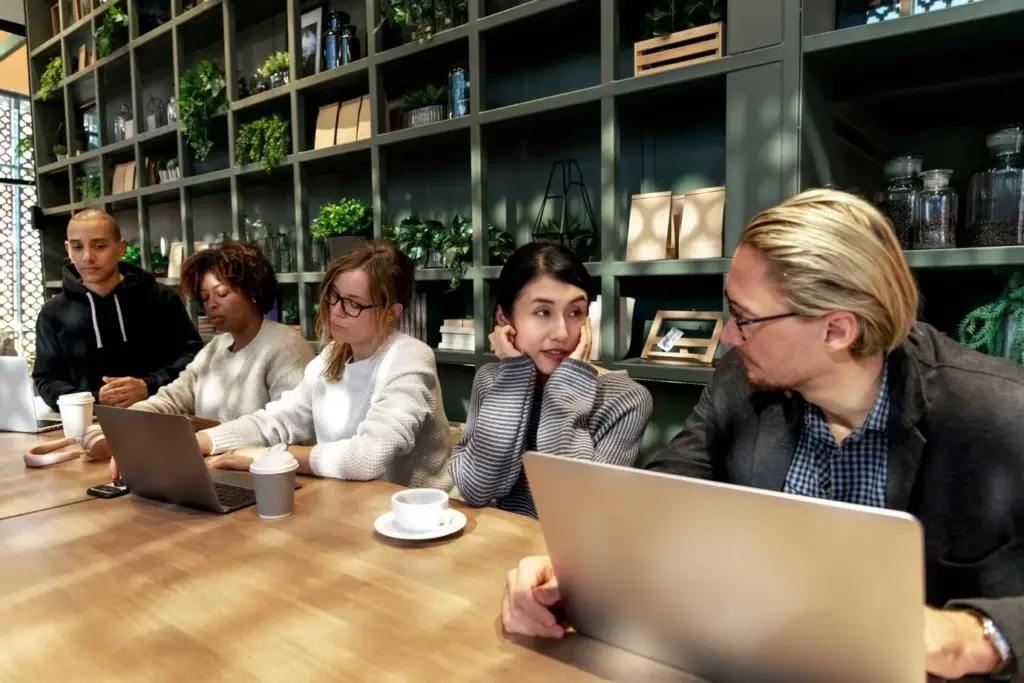
Skilled facilitation transforms a room of strangers into a cooperative studio. Gentle humor, attentive listening, and trauma-informed practices shape trust. Clear invitations to experiment, fail, and iterate reduce performance pressure. With facilitation that honors cultural backgrounds and varied abilities, intergenerational groups lean in, try again, and celebrate effort as much as polished outcomes.

Project Ideas that Spark Co‑Creation

Offer projects that matter locally and invite personal expression. Intergenerational teams thrive when outcomes serve real needs, honor stories, and welcome experimentation. From repair gatherings to neighborhood data art, these ideas create artifacts people treasure, discuss, improve, and proudly display, strengthening the habit of making together beyond scheduled workshop hours.

Measuring Impact and Sustaining Momentum

Track progress in ways that feel human and useful. Combine participant feedback, artifact quality, and community follow-up. Intergenerational makerspace workshops succeed when measurement leads to better experiences, stronger relationships, and repeat participation. Celebrate milestones publicly, keep communication open, and invite supporters to co-design the next cycle with generosity, transparency, and optimism.

Participatory Evaluation Methods

Use photo diaries, reflection walls, and quick exit tickets to capture learning in the participants’ own words. Invite families to co-interpret findings, spotting patterns facilitators might miss. When evaluation becomes collaborative and visual, improvement feels exciting rather than punitive, encouraging ongoing attendance, leadership growth, and a culture of truthful, caring feedback loops.

Showcases and Micro-Credentials

Organize friendly exhibitions where teams demo projects, narrate process, and credit helpers. Offer micro-badges for facilitation, safety, design iteration, and community service. Recognition motivates continued learning, supports résumés and college applications, and validates elders’ contributions. Public celebration multiplies pride, invites new participants, and attracts partners willing to share resources, space, and attention.

Funding, Partnerships, and Stewardship

Sustain momentum by aligning with libraries, schools, senior centers, and local businesses. Pitch shared outcomes—literacy, workforce readiness, environmental stewardship—that matter to each partner. Diversify funding with small grants, material donations, and volunteer mentorship. Transparent budgets and regular updates build trust, while community ownership ensures programs evolve responsibly, inclusively, and joyfully over time.
Xandoriphelunta
Privacy Overview

This website uses cookies so that we can provide you with the best user experience possible. Cookie information is stored in your browser and performs functions such as recognising you when you return to our website and helping our team to understand which sections of the website you find most interesting and useful.