Bridging Classrooms and Wisdom Across Generations

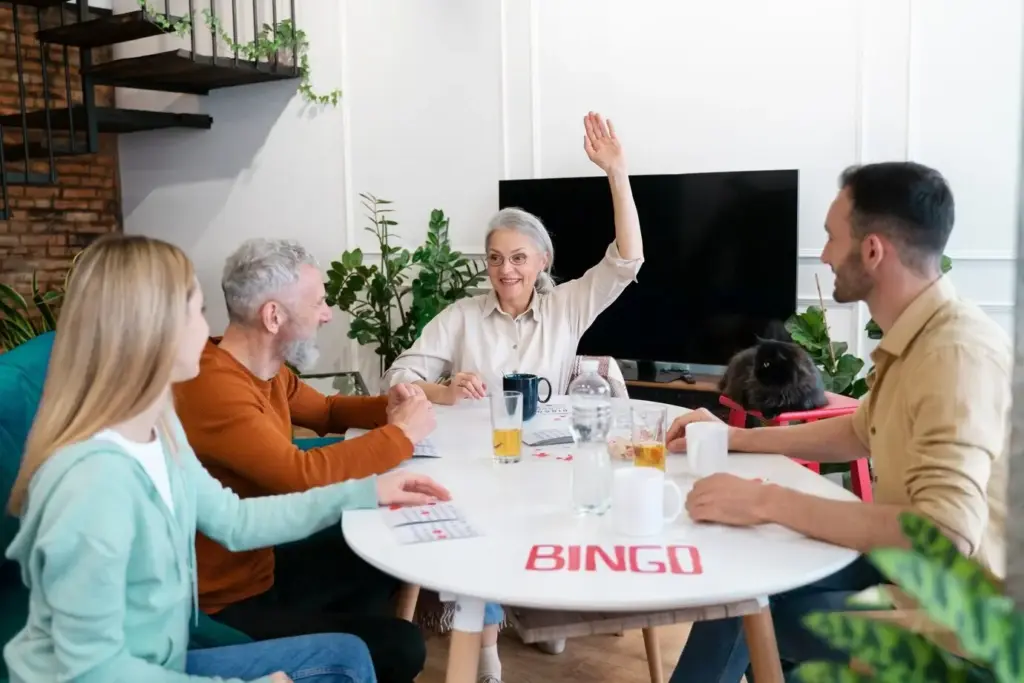
Today we explore School and Senior Center Partnerships for Two-Way Teaching, where classrooms and community rooms meet to exchange skills, stories, and curiosity. Expect practical frameworks, lived experiences, and ready-to-use ideas that elevate student achievement and senior engagement. Join the conversation, share your experiences, and help us grow this movement together through comments, questions, and collaborations across neighborhoods and districts.

Why Intergenerational Learning Changes Outcomes

When students and older adults learn together, both groups gain confidence, social connection, and performance boosts that can outlast any single project. These relationships transform abstract concepts into lived knowledge, turning history into memory, technology into empowerment, and civic ideas into shared responsibility. The result is deeper empathy, stronger academic skills, and resilient communities inspired by reciprocal contribution rather than one-way service.

Shared Expertise, Real-World Relevance

Students bring fresh methods, digital fluency, and curiosity, while older adults offer context, patience, and an archive of real experiences. When these strengths combine, lessons become relevant, measurable, and memorable. A coding exercise can preserve oral histories; a literature discussion grows into life advice. Relevance arises naturally because everyone is teaching, everyone is learning, and every voice matters.

Mutual Respect as a Learning Engine

Respect is not a decorative value; it is the engine that powers participation, risk-taking, and authentic dialogue. When a student confidently explains a tool, and a senior confidently shares a lesson from decades of practice, both identities expand. Confidence turns into competence, and competence turns into contribution. Trust enables feedback, experimentation, and joyful mistakes that reveal deeper understanding than perfect worksheets ever could.

Evidence from Programs That Work

Across districts and community centers, intergenerational programs show improved attendance, reading growth, and deeper engagement with civic issues. Seniors often report reduced isolation, greater purpose, and improved technology comfort. Teachers notice calmer classrooms and better collaboration. Even modest pilots demonstrate meaningful gains within months, especially when projects include reflection, celebration, and student-senior pairs who communicate consistently and support each other beyond formal sessions.

Designing the Partnership: Structure, Roles, and Safeguards

Strong partnerships begin with clarity: shared goals, defined roles, and protective practices that honor energy levels, accessibility needs, and cultural expectations. A simple memorandum, co-created calendars, and a feedback routine prevent confusion and burnout. The structure should feel welcoming yet reliable, flexible yet predictable, enabling teachers and coordinators to adapt while safeguarding dignity, consent, and the well-being of every participant across seasons and curricula.

Co-Created Objectives and Timelines

Start with a joint planning session that prioritizes mutual goals, such as skill exchange, storytelling, or community problem solving. Map a semester with realistic milestones, transport plans, and backup facilitators. Keep sessions shorter than regular classes, include built-in breaks, and end with reflection prompts. Publish a simple one-page overview for families and staff so everyone understands expectations, support options, and success indicators throughout the partnership.

Safeguarding Wellbeing and Dignity

Design with care: confirm accessibility, sound levels, and seating arrangements, and provide name tags and conversation starters to ease introductions. Secure permissions, share emergency protocols, and clarify photo policies. Recognize energy cycles and provide quiet zones. Check-in routines before and after sessions allow participants to express needs, celebrate moments, and flag concerns early. Dignity thrives when logistics, health, and privacy are treated as integral parts of learning.

Training Facilitators and Volunteers

Offer a short orientation on intergenerational communication, strengths-based feedback, and cultural humility. Model language that invites curiosity and avoids patronizing tones. Provide example agendas, troubleshooting tips, and escalation pathways. Volunteers should learn how to scaffold tasks, ask open questions, and validate contributions on both sides. When facilitators feel prepared, sessions run smoother, participants feel seen, and outcomes become consistently positive and replicable for new cohorts.

Co-Teaching in Action: Lesson Formats That Thrive

{{SECTION_SUBTITLE}}
Story Labs and Oral History Studios

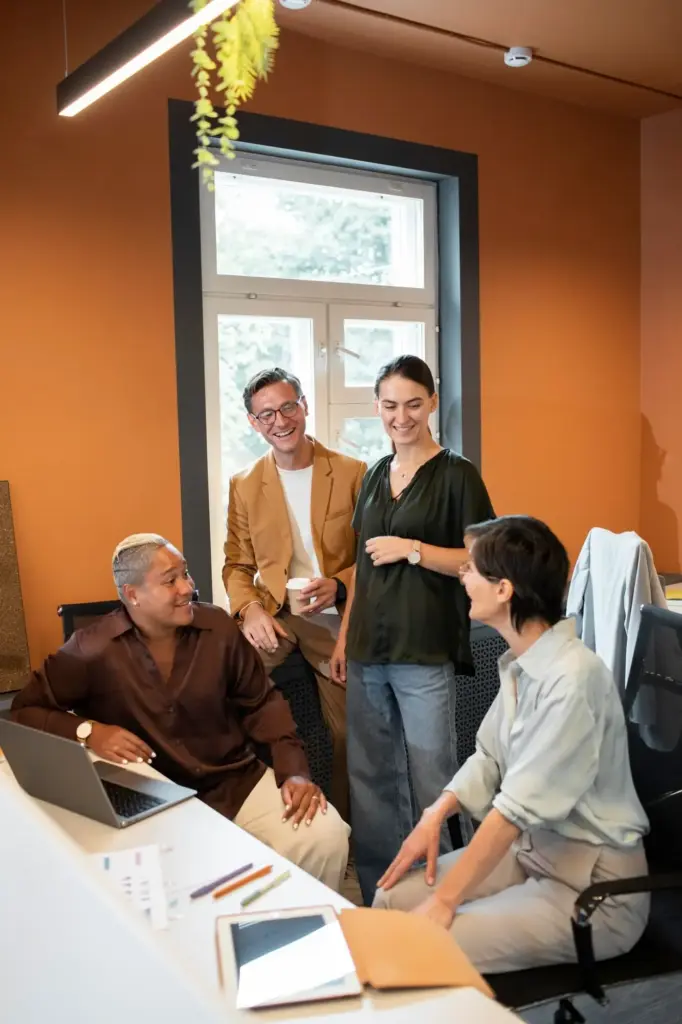
Pair learners to capture memories around community changes, work-life lessons, or pivotal cultural moments. Students prepare interview guides and audio setups; seniors guide narrative arcs and meaning. Edit recordings together, tagging keywords and creating captions. These studios build listening, language, and tech skills while honoring life experience. Finished stories become a community archive, often strengthening empathy, local pride, and cross-generational friendships that continue well beyond scheduled sessions.

Skills Exchange Workshops

Run rotating stations where seniors demonstrate crafts, budgeting, home science, or gardening, while students offer smartphone settings, email hygiene, or cloud photo organization. Everyone practices teaching succinctly and respectfully. Include quick reflection cards asking, “What did you teach?” and “What surprised you?” Over time, stations evolve into micro-curricula. The workshop format reliably yields confidence, laughter, and a tangible sense that knowledge multiplies when generously shared.

Technology as a Bridge, Not a Barrier

Digital tools should amplify human connection, not overshadow it. Select platforms with large fonts, clear navigation, and robust captioning. Use hybrid options when travel is difficult, and record tutorials for later review. Encourage peer tech support circles that celebrate progress rather than perfection. When technology is accessible, forgiving, and taught with kindness, confidence grows, participation expands, and the partnership’s reach extends far beyond a single classroom or building.

Measuring Impact That Matters

Assessment should capture growth in skills, relationships, and agency, not just attendance or grades. Blend quantitative indicators with stories that reveal character and community connection. Use simple, repeatable tools that fit busy schedules. Share results with families and partners in accessible formats. Measurement becomes motivating when participants recognize their own progress and feel invited to shape the next iteration through honest, supportive feedback loops and goal-setting rituals.

Sustaining Momentum: Funding, Policy, and Culture

Longevity depends on small wins that stack into institutional habits. Blend microgrants, volunteer networks, and district recognition so the partnership survives staff changes and calendar shifts. Align with curriculum standards and wellness priorities to secure legitimacy. Celebrate widely, archive resources openly, and mentor new coordinators. When culture favors intergenerational curiosity and service, programs no longer feel exceptional—they become a natural heartbeat of school and community life together.

Microgrants and Local Partnerships

Start with modest budgets covering transportation, materials, and snacks. Seek support from libraries, arts councils, health agencies, and neighborhood associations. Invite local businesses to sponsor showcases or donate devices. Publish a transparent cost summary and a gratitude wall. Small resources, wisely used, create reliability, reduce friction, and demonstrate stewardship—making it easier to renew funding, attract volunteers, and inspire additional partners to join with confidence and enthusiasm.

Policy Alignment and Administrative Buy-In

Map activities to standards for speaking, listening, research, and digital citizenship. Show how goals support social-emotional learning and community engagement plans. Share pilot results with administrators, emphasizing safety protocols and clear scheduling. Offer turnkey templates that reduce extra work. When leaders see alignment and minimal risk, approvals accelerate. Institutional backing unlocks buses, rooms, and time—essentials that keep partnerships running smoothly even during busy testing seasons.

Celebrations, Showcases, and Storytelling

Close each cycle with a public event featuring exhibits, short talks, and listening stations. Invite families, neighbors, and local media. Share portfolios online with accessible descriptions and captions. Encourage participants to narrate growth, surprises, and future goals. Ask attendees to leave notes of encouragement and invitations for collaboration. Storytelling cements identity, honors effort, and attracts new champions eager to learn, contribute, subscribe, and keep the intergenerational learning alive.
Xandoriphelunta
Privacy Overview

This website uses cookies so that we can provide you with the best user experience possible. Cookie information is stored in your browser and performs functions such as recognising you when you return to our website and helping our team to understand which sections of the website you find most interesting and useful.